
Trauma Counselling Online
Do you feel held back by something in your past, even if you can’t fully name it? Do certain memories, reactions, or patterns keep showing up no matter how hard you’ve tried to move forward? Do you wonder whether healing is actually possible for you?
Some people identify with the word trauma. Others come after a toxic relationship, a betrayal, or a hostile workplace. Or they carry the effects of ongoing, repeated, or childhood experiences.
And healing is possible. With the right conditions and support, the brain and body can recover. Many survivors sense this long before the research confirms it.
I offer trauma counselling online for adults across Western Canada, integrating IFS-informed parts work, somatic and Polyvagal-informed practices, EMDR, and anti-oppressive practices, adapted to what happened to you, your needs, and your pace.
Natalie Jovanic • Trauma Counsellor • Complex Trauma Coach • 15+ years’ experience • Integrative Trauma Recovery Model™ • Host, Trauma Demystified Podcast • Specialized training in parts work for relational and complex trauma, somatic healing, inner fragmentation, attachment and dissociation.
Not sure what type of trauma counselling fits?
It happened in adulthood
A toxic relationship, a betrayal, domestic violence or a toxic workplace,
It’s layered and ongoing
Symptoms show up across many areas of your life at once.
And if you’re not sure, that’s okay. You don’t need to sort it out before reaching out. We can figure it out together in a free consultation.
Who I work with
I work primarily with adults navigating childhood trauma, relational trauma, and complex trauma. This includes people who grew up with abuse, neglect, addiction, or emotional unavailability, and those who carry the effects of systemic harm or chronic marginalization.
Some clients arrive with a clear sense of what they carry. Others come with only a suspicion: a feeling that something from their past is shaping their present, without words for it yet. Some have previous diagnoses like depression, anxiety, borderline personality disorder, or dissociative symptoms. Some worry their experience wasn’t bad enough.
I don’t diagnose. I work with what you bring, independent of the label.
You may notice
Meet Natalie
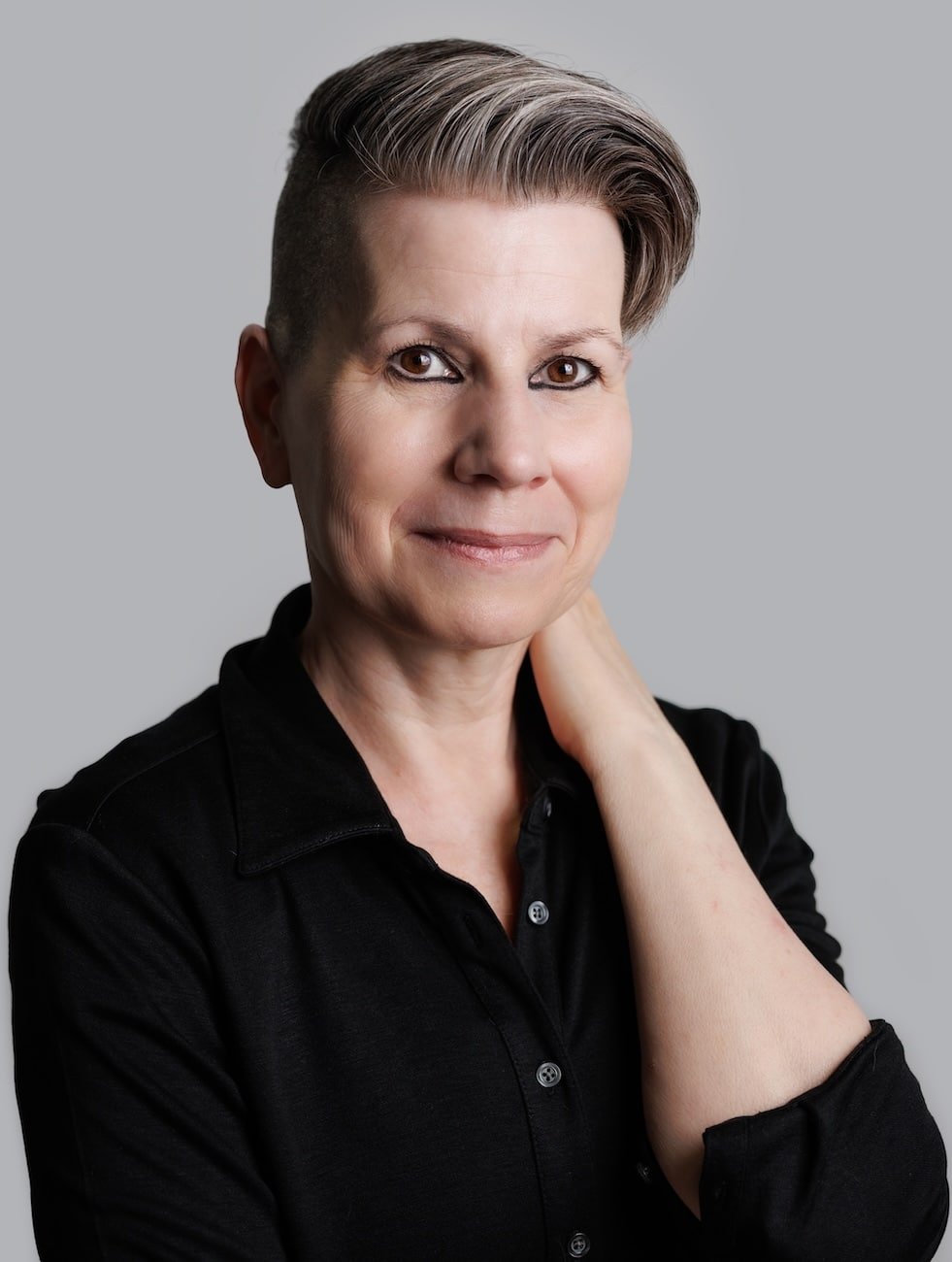
Hi, I’m Natalie, a trauma counsellor and complex trauma coach with over 15 years of experience supporting adults healing from trauma, complex trauma, and childhood abuse. My approach, the Integrative Trauma Recovery Model™, is built on five principles: healing needs a healthy relationship, context matters, healing follows your pace, recovery isn’t a straight line, and recovery addresses the multidimensionality of trauma.
I believe healing should be safe, inclusive, and grounded in dignity. That means I actively work to honour the social and systemic contexts that shape people’s lives. I also offer flexible pricing to make trauma counselling more accessible.
Trauma Counselling rooted in the Integrative Trauma Recovery Model™
Trauma counselling is not one-size-fits-all, and the approach I use reflects that. The Integrative Trauma Recovery Model™ brings together evidence-based modalities: IFS-informed parts work, somatic and Polyvagal-informed practices, EMDR, and trauma-informed relational practice. I adapt them to your nervous system, your history, and your pace. Rather than following a fixed protocol, I follow you.
Here are the five principles it’s built on:
Healing needs a healthy relationship. For many people who’ve experienced relational or childhood trauma, the relationship itself is part of what heals. I show up honestly, repair when I make a mistake, and work consciously with differences in power and privilege so our relationship doesn’t repeat how you’ve been wounded before.
Context matters. My approach integrates anti-oppressive practice. For many of my clients, systemic harm, discrimination, and intergenerational trauma are part of what they carry. I hold myself accountable to that.
Healing follows your pace. We build the process together. You’re welcome to bring fears, questions, and doubts. I’m transparent about my reasoning and open to being questioned. And I bring more than professional training: over 30 years of my own lived experience of trauma recovery.
Recovery isn’t a straight line. Setbacks aren’t failures. They usually mean parts are in conflict. Maybe you want to set a boundary and suddenly find yourself going into fawn. That’s not a step backwards. It shows us what needs attention next.
Recovery addresses the multidimensionality of trauma. Trauma affects body, mind, nervous system, emotions, sense of self, and relationships. Your symptoms are adaptive responses that helped you survive. Instead of fighting them, we get curious about what they’re protecting.
Over time, clients often notice they feel calmer in relationships, handle difficult emotions with more steadiness, and find that memories that once felt overwhelming have simply lost their charge. Healing here means getting your power back and learning to trust yourself again.
If you’d like to understand more about how this model works and whether it might be the right fit for you, read: Trauma Counselling: How I Practice and What You Can Expect.
What becomes possible with trauma counselling online
Discover who you truly are
If you’ve spent years focused on getting by, it can be hard to know what you actually like, want, or need. As you heal, your own needs, values, and boundaries begin to surface. Not as concepts you practise, but as something you can feel.
Emotional wisdom that grows
You swing between feeling everything and feeling nothing. Over time, overwhelming emotions become more manageable. You respond to life’s challenges with more clarity, less reactivity, and a deeper trust in your own inner wisdom.
Relationships that feel different
Not because other people change, but because you do. You can be more present, set boundaries that hold, and build trust without losing yourself in the process.
Memories that lose their charge
Experiences that keep showing up, even after years of trying to move on, begin to integrate. They become part of your history: something you can hold, rather than something that holds you.

It’s your time to heal: Let’s begin
If this resonates, your next step is simple: a free consultation to see whether this approach feels right for you. We’ll map out gentle first steps together. No need to dive straight into the most painful memories. Book through Jane App or message me at nat@brighthorizontherapies.com.
Your trauma counselling online questions answered
If you’re curious to learn more about trauma recovery at your own pace, you’re welcome to explore my Trauma Recovery FAQs.