Overcome Adversity. Reclaim Strength.




Online trauma recovery for adults: For when talk therapy hasn’t been enough
I help adults recover from childhood abuse & neglect, complex trauma, relationship wounds and grief. My integrative, non-pathologizing approach draws from IFS-informed parts work, somatic approaches and EMDR. Online in Alberta, Canada, and worldwide.
Natalie Jovanic • Master Therapeutic Counsellor • Complex Trauma Coach • 15+ Years experience • Integrative Trauma Recovery Model™ • Host, Trauma Demystified
Specialized trainings in parts work for relational trauma, structural dissociation, somatic healing, complex trauma, dissociation, attachment, EMDR, complex and systemic trauma
I use “trauma” as an umbrella term for a range of experiences, some may be traumatic, others painful, that continue to affect you in some way. I don’t diagnose and you don’t need certainty about whether it was “bad enough” to count. The framework I use is effective whether or not it was trauma.
Is this you?
If any of this resonates, you’re looking for support that addresses your whole experience, integrating mind, body, emotions, and relationships, so you can move forward with clarity and strength.
Services
I support adults with different kinds of trauma, abuse and life challenges. Learn more about each path below. Counselling services are available in Alberta and Western Canada. Coaching services are available Canada-wide and internationally. If a service isn’t available where you live, reach out and we can explore options.
These are the services I’m asked for most often. See the full list of trauma recovery services here.
What makes this different
The Integrative Trauma Recovery Model™ is a framework I developed specifically for adults healing from childhood, relational, and complex trauma. It is organized around five principles: Context matters, recovery is not a straight line, healing follows your pace, trauma is multidimensional, and healing needs a healthy relationship.
Some clients have shared that after years of talk therapy, this was the first space where they did not feel judged or pathologized.
Context matters
Your experiences are seen as interconnected and valid responses to your environment. Race, gender, sexuality, disability and migration influence trauma and healing. Misuse of power, oppression and abusive behaviours you are targeted by are acknowledged to reduce the harm. Your experience, values, and meaning stay central; you are not reduced to a diagnosis or seen as the problem to be fixed. While healing can’t change outside dynamics, it helps you find a more empowering way to deal with them.
Recovery is not a straight line
Recovery isn’t about pushing through or doing it perfectly. Setbacks, while frustrating, are opportunities to explore information together. If your system is overwhelmed, we may move back to stabilization. Each step is equally important for your healing journey. You define what “healed” means for you, not society or mental health professionals.
Healing follows your pace
Safety, stabilization, trauma processing, and integration develop throughout our collaboration. We follow your capacity and are curious about obstacles as signals of things we may have missed. We will explore realistic expectations for recovery, not wishful thinking. Present-day challenges may influence the work with the past. That’s to be expected and not a delay. We work with the tension to respect where your system is at and the direction you want to move towards.
Recovery addresses the multidimensions of trauma
Trauma is an inner experience that affects our body, nervous system, emotions, inner parts, relationships, boundaries and identity. This can’t be fully achieved by talking about it or by using just one modality, especially in cases of relational harm. We follow the process of stabilization, trauma processing and reconnecting with an empowered life. The flexibility of drawing on IFS-informed parts work, somatic healing, EMDR, and boundary work supports you to find tools that work with what has happened to you. Read more about my approach to trauma recovery.
A relationship that has to be healthy to be healing
The therapeutic relationship itself is part of what heals, not a neutral space. Throughout our process, I hold myself accountable to healthy relationship behaviours. This is a space to unlearn what past relationships taught you about trust and being seen. This requires me to provide a space that gives you a new experience. It’s a space where you can learn to discern and practice healthy boundaries — even with me. If we have a conflict, I stay present and repair when I’ve made a mistake. Read more: Warning signs of therapy harm
Meet Natalie
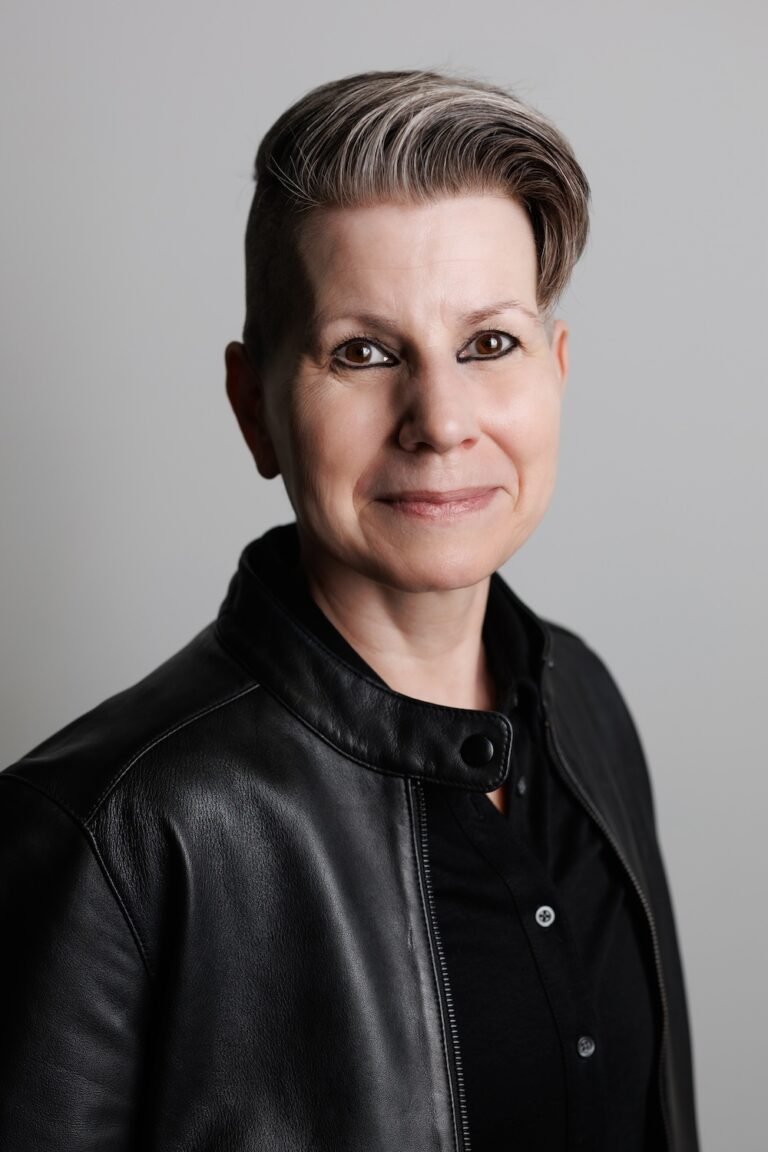
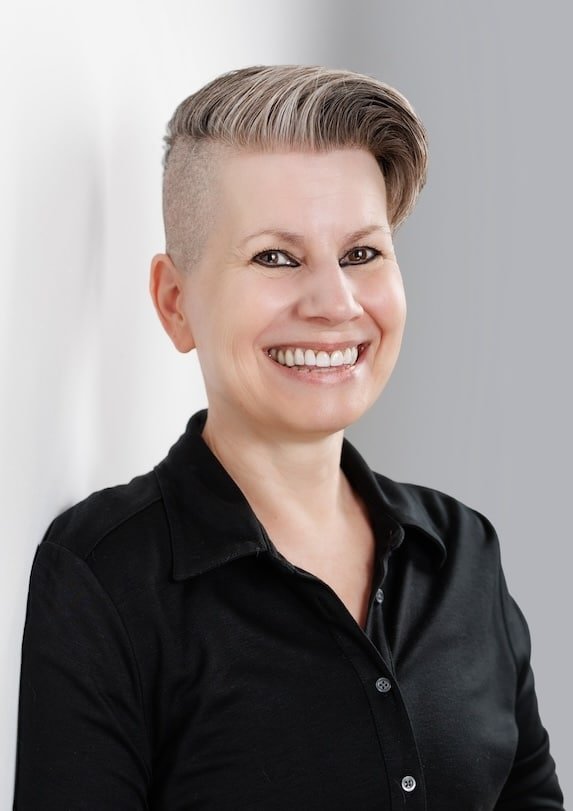
I’m Natalie Jovanic, a trauma counsellor and complex trauma coach with over 15 years of experience supporting adults healing from childhood trauma, complex trauma, grief, and relationship challenges. I bring clinical depth and my own lived experience of full recovery to this work.
I developed the Integrative Trauma Recovery Model™ above from that combination, shaped by anti-oppressive practice at every stage. I offer income-based variable pricing to make counselling and coaching more accessible, and I’m here to support you at your own pace.
Having questions? Book a free consultation. We’ll have a conversation to figure out if this makes sense. No commitment to move forward. If you prefer, send me a message at nat@brighthorizontherapies.com.
Nothing has resonated so far, but you want to learn more about healing?
It’s not a bad habit is a practical guide for understanding the patterns that can shape how you feel, relate, cope, and respond under stress. It is for anyone who knows something is getting in the way, even if they are not sure what to call it or where it began.