
Childhood Trauma Coaching for Adults

Childhood trauma shapes identity, nervous system, and relationships in ways that often aren’t recognised until adulthood — if at all. My childhood trauma coaching for adults supports you in understanding your patterns, managing triggers, setting boundaries, and gradually reconnecting with who you are beneath what you survived.
I offer childhood trauma coaching online worldwide, giving you the flexibility to work on healing wherever you are.
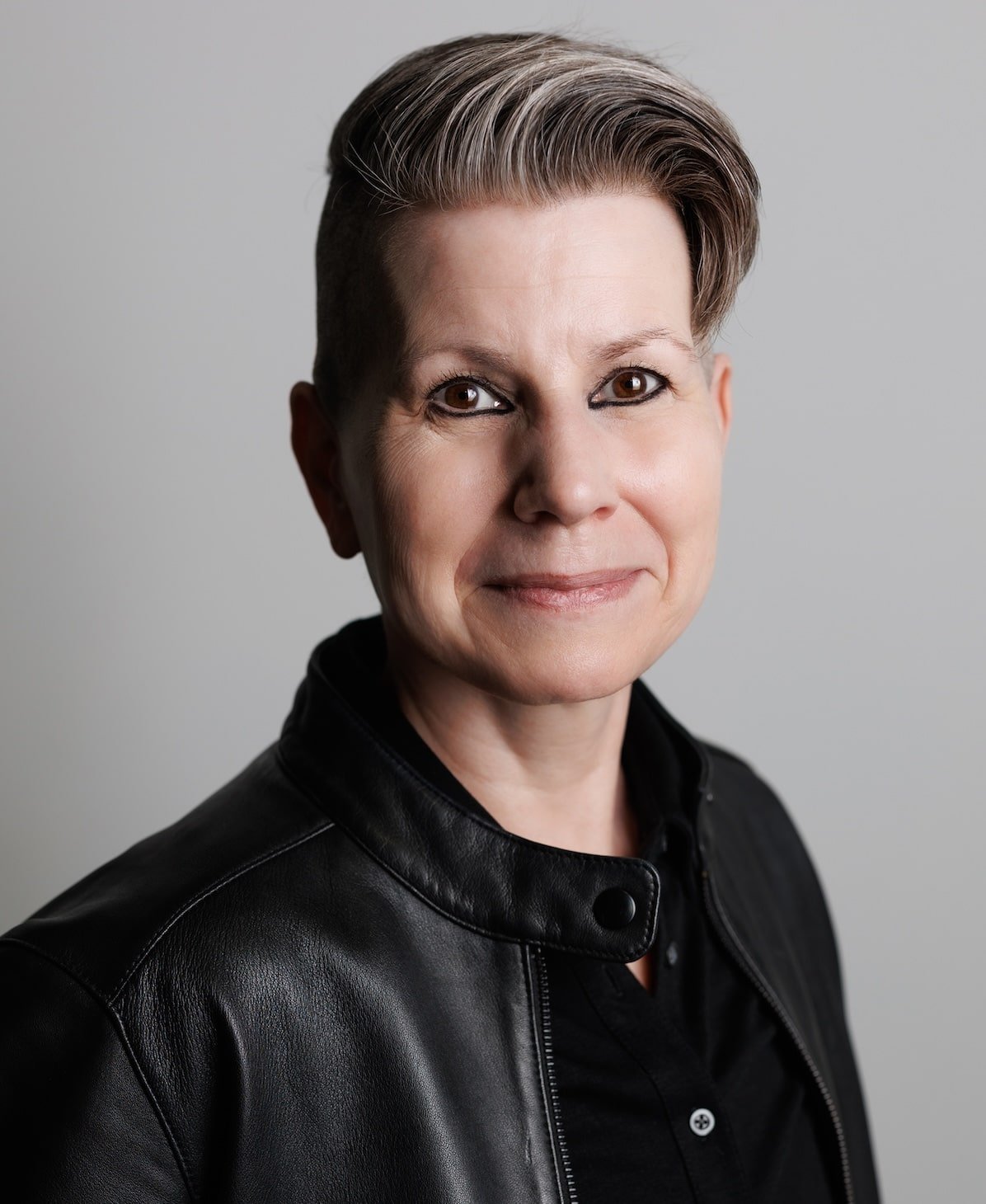
Natalie Jovanic • Complex Trauma Coach • 15+ Years experience • Integrative Trauma Recovery Model™ • Host, Trauma Demystified Podcast • Specialized training in parts work for relational and complex trauma, somatic healing, inner fragmentation, attachment and EMDR.
Who I work with — and how I show up
I work primarily with adults navigating the lasting effects of childhood trauma — including those who grew up with abuse, neglect, addiction, domestic violence, or emotional unavailability, and those who have experienced systemic harm, discrimination, or intergenerational trauma. Some had caregivers who were absent or emotionally unavailable. Others had caregivers who were overwhelmed, frightened, or frightening — creating unsafety without necessarily intending harm.
Some arrive with a clear sense of what they carry. Others come with only a suspicion — a feeling that something in their past is shaping their present, without yet having words for it.
You don’t need a diagnosis, a clear memory, or a single defining event to reach out.
Some arrive with diagnoses — depression, anxiety, chronic pain, dissociation. Others recognize themselves in patterns like disordered eating, fear of abandonment, addictive behaviours, fear of being seen, self-hatred, or chronic self-blame. These are simple labels and patterns that often describe complex experiences rooted in childhood trauma.
How I show up matters as much as the tools I bring. I follow your lead, not a protocol. I adapt to your nervous system and your pace. I am transparent about my reasoning and open to being questioned. And I bring more than 15 years of professional experience — and over 30 years of my own lived experience of trauma recovery, which shapes how I hold this work and how I hold myself accountable within it.
What become possible with childhood trauma coaching
Discover who you truly are
Childhood trauma often erodes our sense of self and activates survival parts — leaving you in a constant survival state rather than authentic experience. As it heals, something underneath begins to emerge: a reconnection with your core, with your fragmented parts, your needs, your values, and your boundaries. Not as concepts to practise, but as something you can feel.
Emotional freedom
Overwhelming emotions become easier to be with. Your triggers become less intense and you learn to respond to life’s challenges with more clarity, less reactivity, and a deeper trust in your own inner wisdom.
Relationships that feel different
Not because other people change, but because you do. You can be more present, set boundaries that hold, and build trust without abandoning yourself in the process. You learn to discern healthy love from toxic patterns — and develop the self-respect to leave behind people who continuously disrespect you.
Breaking intergenerational cycles
Trauma carries a risk of being transmitted intergenerationally — through our relationship patterns. Unresolved childhood trauma can limit your parenting or your emotional availability for your child. As you heal, you create something different: a healthier and more genuine connection with yourself and those around you.
Memories that lose their charge
Experiences that once felt stuck in the body begin to integrate. They become part of your history — something you can hold, rather than something that holds you hostage in the present.
Meet Natalie
I’m a trauma counsellor and complex trauma coach with 15+ years supporting adults healing from childhood trauma. My approach, the Integrative Trauma Recovery Model™, is built on the five principles: healing needs a healthy relationship, context matters, healing follows your pace, recovery isn’t a straight line and recovery addresses the multidimensions of trauma.
My understanding of this work isn’t only professional. It’s also 30 years of my own lived experience of childhood trauma recovery. I know what it costs to show up for this work and what becomes possible when you do. That lived reality shapes how I practise and how I hold myself accountable as a trauma-focused practitioner.
Childhood trauma coaching for adults is available for people living in Canada and worldwide. I work with people from diverse backgrounds, and income-based variable pricing is available.
Childhood Trauma Coaching rooted in the Integrative Trauma Recovery Model™
The Integrative Trauma Recovery Model™ is a non-pathologizing framework I developed specifically for adults healing from childhood abuse, neglect and childhood trauma. It draws from IFS-informed parts work, somatic approaches, theory of structural dissociation, and EMDR. In our collaboration, all of you are welcome, including patterns you dislike or that are socially judged.
The framework is built on five principles.
Context matters
Context here means three things: the toxic dynamics you were targeted by as a child, the stigma you may face as a survivor, and the systemic oppression you’ve experienced throughout your life.
As a survivor of childhood abuse, you may be labelled as “too broken to heal.” That’s stigma. Adaptive responses that helped you survive are often socially judged and stigmatized, too. I often see internalized stigma activating shame and self-blame in my clients. We’ll work with both: the adaptive responses and the impact of stigma, to reduce its harm.
If you grew up in toxic or abusive dynamics, you likely learned they are normal. That’s not a flaw on your part. That’s what a child learned. Unlearning them has different layers: Recognizing toxic dynamics in the present, discerning healthy and unhealthy ones, and attending to patterns that block you from making the best choice for yourself.
If you belong to a marginalized group, oppression adds another layer of harm. Your responses to it are reasonable responses to an unjust reality, not evidence that something is wrong with you. Healing needs to respect your social context, whether that’s connected to race, gender, sexuality, migration, or disability. We explore this layer in our relationship. We likely have different identities.
Recovery is not a straight line
For childhood trauma, the process isn’t a straight line. It’s more like peeling an onion. We start where you are and work with your goals. Some of my clients achieve their goals and continue with their lives; others notice an unknown past wound being activated when they enter a new relationship or face another life transition. We can only heal what we are aware of. New situations may bring to light patterns that were hidden in the past.
Parts of you may be scared to be vulnerable and to be seen, since one aspect of trauma is that your vulnerability is used against you. That’s to be expected. Other parts may be scared to feel, since you were continuously invalidated. We look at it in our collaboration. We don’t jump to the most painful memories straightaway. First, we understand fears and concerns, and develop the skills to be with complex emotions.
Healing follows your pace
If you’ve spent most of your life in a survival response—fight, freeze, numbness, or a dissociated state that simply feels normal—the work is about slowly building your capacity to be in your window of tolerance. Each person’s body has its own healing journey. Healing requires showing up, especially when it gets difficult. The nervous system needs repetition; new patterns need practice.
The challenge is often parts that want to push forward, while others are too terrified to look at what has happened. Together, we explore this conflict using parts work to find a pacing that works.
Recovery addresses the multidimensions of trauma
Childhood trauma often splits us into rational parts and emotional parts hidden behind a wall — because the experience was too overwhelming when it happened, and staying behind that wall helped you survive. We identify parts, and I’ll teach you “parts-language. Parts work can be learned. Over time, we create a relationship between you and the parts so that you are in charge of your life. We explore your window of tolerance and expand it with somatic practices. Healing doesn’t require you to have clear memories. We can access and process information through body sensations and emotions in the present.
Working with your boundaries is a continuous part of the process. Boundaries and building a sense of self go hand in hand. If relevant, we use EMDR for childhood trauma to take the edge off intense emotions or process an experience.
Healing needs a healthy relationship
Childhood trauma happened in relationships, and it heals in relationships. The therapeutic relationship isn’t a vehicle for delivering a technique. It’s part of the healing itself. As a mental health professional, I hold myself accountable to be honest and transparent. I take my clients seriously: their boundaries, their concerns, and any disagreements they have with me. If parts of you are scared to trust me, or scared that showing emotion would be a burden, that makes sense, and I collaborate with my clients to work through this. The relationship is the container where the patterns may show up, and we work together to resolve them in a new, healthier way.
I also attend to my privileges in relation to you, and I take accountability if I do something that’s not okay for you.
To go deeper into the specific approaches I use: Parts work therapy for adults with childhood trauma

It’s your time to heal: Let’s begin
If this resonates, your next step is simple: a free consultation to see whether this approach feels right for you. We’ll map out gentle first steps together. Book through Jane App or message me at nat@brighthorizontherapies.com.
Your questions about childhood trauma coaching for adults answered
If you’re curious to learn more about trauma recovery at your own pace, you’re welcome to explore my Trauma Recovery FAQs.