Trauma Recovery Services: Finding What Fits

You don’t need to call it trauma for this work to help.
You function well on the outside, but inside you feel disconnected, empty and numb. You feel anxious or on edge most of the time. You feel unlike who you used to be. Self-esteem is low. Trust has gone. You feel out of touch with your body.
You grew up in a home where you never quite felt safe, seen, or allowed to be yourself. You learned early to manage other people’s emotions and keep the peace. Now you end up in difficult relationship patterns.
If this resonates, my trauma recovery services help you feel safer and more like you again. You do not need a diagnosis, a clearly defined traumatic event, or certainty that what happened was “bad enough.”
All services are available online. Coaching is available Canada wide and internationally. Counselling in Alberta and Western Canada. If a service isn’t available where you live, please reach out to explore options.
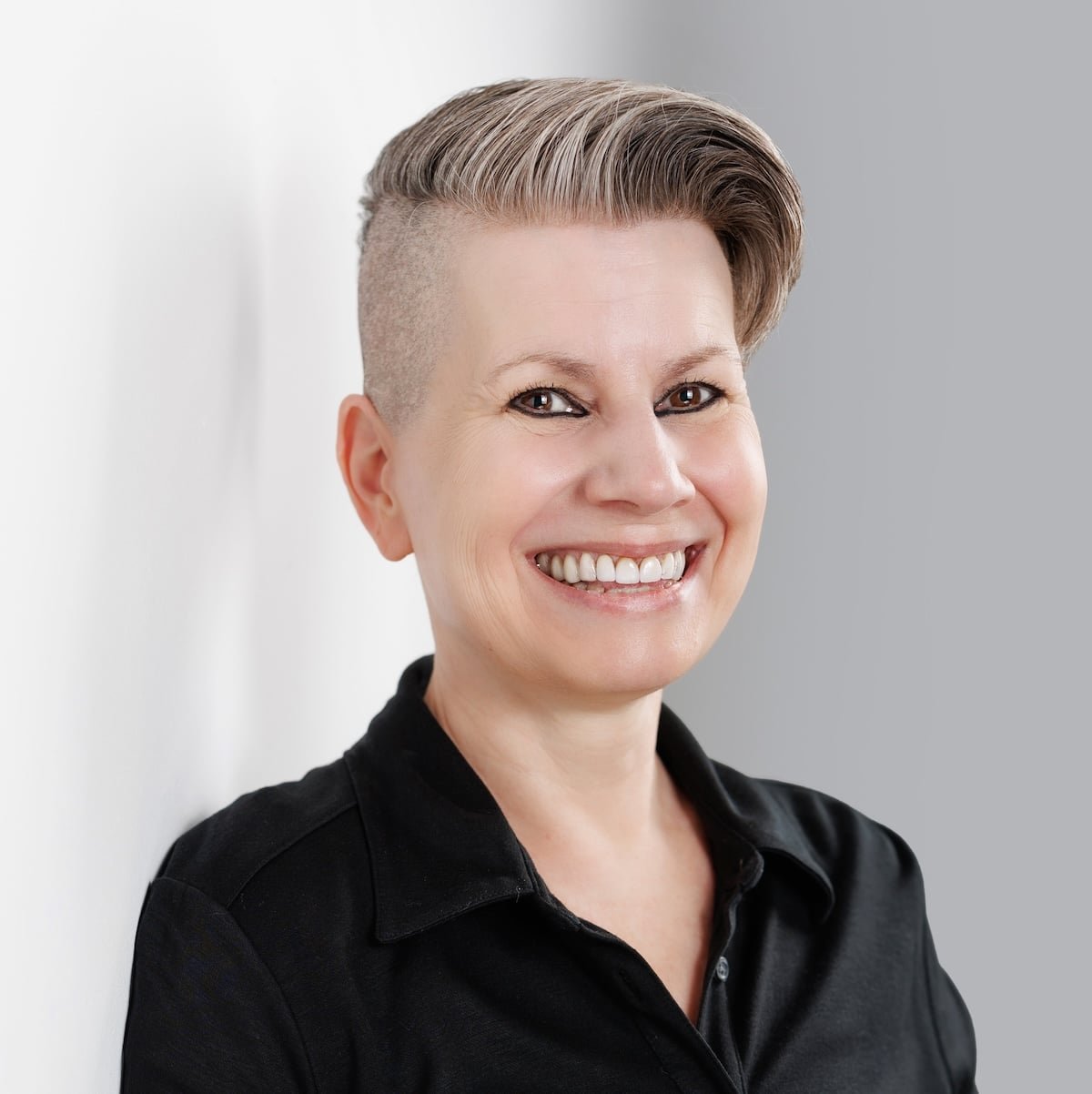
Natalie Jovanic • Master Therapeutic Counsellor • Trauma Counsellor • Complex Trauma Coach • 15+ Years experience • Integrative Trauma Recovery Model™ • Host, Trauma Demystified Podcast • Specialized trainings in parts work for relational trauma, structural dissociation, somatic healing, dissociation, attachment, EMDR, complex and systemic trauma
I use the word trauma as an umbrella term to describe the lasting effects that overwhelming, unsafe, or painful experiences can have on your sense of self, body, emotions, and relationships. You may find that word helpful—or you may prefer to think in terms of painful experiences. Either way, the work focuses on what you are experiencing now and what you want to change. Read more: What is trauma.
Healing is possible even if you don’t remember, if it started when you were young, or you’ve felt this way for a long time. Read more: Goals for trauma recovery.
Healing relational experiences that lasted over a longer period
The services here include trauma that happened in relationships over a longer period of time, like over months and years. They are based on the Integrative Trauma Recovery Model™, drawing from IFS-informed parts work, somatic approaches and EMDR. Read more: Integrative Trauma Recovery Model™.
For healing relational harm experienced as an adult
Who is it for
- If you lived through a toxic or abusive relationship
- Workplace bullying or harassment
- Discrimination
- Dealing with the ongoing impact of a toxic ex-partner
What becomes possible
For healing layered relational harm experienced at different stages of your life
Who is it for
- Relational harm beyond childhood abuse alone
- Often involving multiple mental health diagnosis
- Healing that might feel stuck or have slow progress
- Single-modality approaches (like CBT, EMDR or talk therapy alone) didn’t help you to get better
What becomes possible
For healing childhood abuse, neglect or childhood trauma
Who is it for
- If you grew up in a dysfunctional family
- Have experienced childhood abuse or neglect
- Have a sense something is off in your childhood
- Want to decide whether to cut ties with toxic family member
What becomes possible
Healing single incidents
This service mainly follows the EMDR protocol and doesn’t necessarily draw from the Integrative Trauma Recovery Model™. Clients can always switch if it’s a better fit.
For healing single incident trauma
Who is it for
- If you have trauma after a car accident
- If you experienced a sexual assault
- If you lived through medical trauma
What becomes possible
Goal-based services
Goal-based services focus on specific goals within trauma recovery, drawing from the Integrative Trauma Recovery Model™. Choose the service that matches what you want to change right now, for yourself or in your relationship.
To create healthier relationships after trauma
Who is it for
- Couples stuck in the same fight, where one shuts down and the other reaches harder.
- Partners where one or both carry trauma that gets activated in the relationship.
- Partners unsure whether they need better communication or something deeper.
What becomes possible
To improve boundaries
Who is it for
- You grew up in a dysfunctional home
- Experienced childhood abuse or neglect
- Experienced abusive relationships as adults
- Struggle with saying no, tend to please others or abandon yourself
What becomes possible
Doesn’t quite fit?
These services cover the most common experiences I work with. If none of these services quite fit your situation, please book a free consult, and we can explore what I can offer you.