
Complex Trauma Coaching
Online worldwide

Build a life organized around your values—not around staying safe, needed, or invisible.
Do you move between feeling too much and feeling nothing at all? Do you second-guess your perceptions in relationships, take care of everyone else’s needs, or struggle to know what you actually want?
I offer complex trauma coaching for adults who want to heal from prolonged, repeated or layered relational injuries and trauma, including experiences of toxic relationships, coercion, abuse, workplace bullying, sexual violence and systemic harm.
Natalie Jovanic • Complex Trauma Coach • 15+ years’ experience • Integrative Trauma Recovery Model™ • Host, Trauma Demystified Podcast • Specialized training in parts work for relational and complex trauma, somatic healing, and attachment.
Is this you?
You may know exactly what happened to you and how it affected you. Or you may recognize repeating patterns in your relationships, struggle to trust your perceptions or feel disconnected from your emotions without knowing when these difficulties began.
You don’t need to identify as having experienced trauma, remember what happened to you, or even know whether your experience counts as trauma for complex trauma coaching to work. You may have tried therapy before, but it doesn’t quite land for you.
You also don’t need to arrive already trusting yourself. Developing trust is part of our work.
What you may notice
These patterns are not character flaws. They are adaptations that may have helped you survive circumstances and experiences when you had no control or choice.
What you may be working toward
This work isn’t about becoming unaffected by your past, or learning to manage it more gracefully. It’s about having more room to decide how you want to live, rather than having old survival patterns make those decisions for you.
Self-trust
Acting on what you notice, feel, need, and decide — and being able to tell when a reaction is activated by the past alone, when the present genuinely deserves your attention, and when both are true.
Self-respect
Treating your needs, limits, and well-being as things that matter. Recognizing when someone’s behaviour is unacceptable, and no longer abandoning yourself to keep a relationship intact.
Integrity
Living in alignment with your values, needs, and beliefs, including when that costs you something. Making choices you can stand behind rather than ones that merely keep the peace.
Authenticity
Being more fully yourself instead of a managed, agreeable, or minimized version. Expressing what you actually think and feel, and discovering what becomes possible when you no longer have to perform.
Wisdom and discernment
Drawing on your experience without being defined or limited by it. Reading yourself, other people, and situations with more clarity.
Emotional capacity
Being able to experience intense emotions, understand what they are communicating, and decide how you want to respond.
Healthy relationships and meaningful connection
Recognizing mutuality, respect, and accountability. Setting boundaries, choosing whom you let close, and experiencing closeness, belonging, and intimacy without losing yourself in the process.
These are possible directions, not obligations. Your pace, goals, and circumstances shape what recovery looks like. We’ll check in about how the work is going, what is changing, and what expectations feel realistic.
Meet Natalie
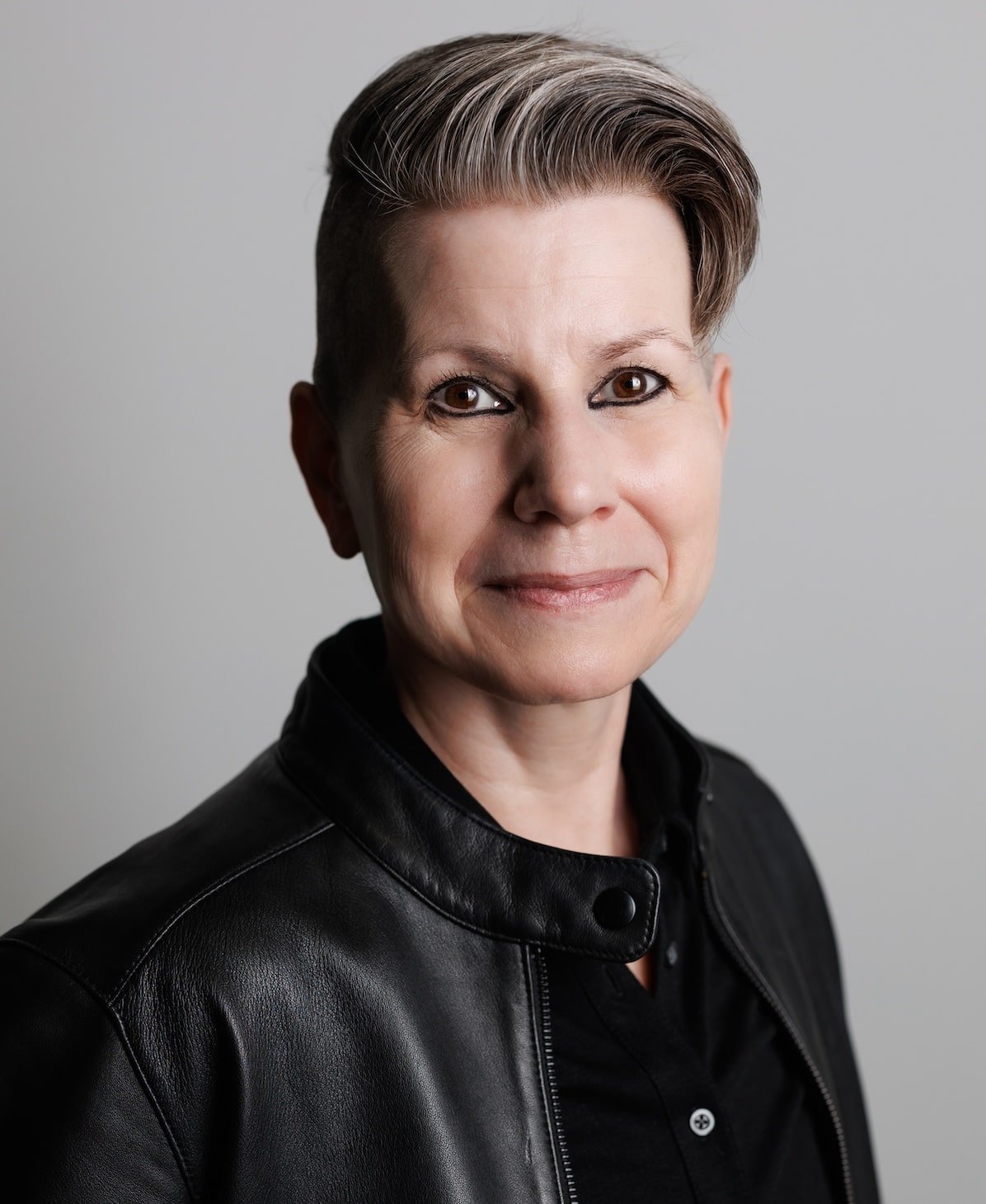
I’m Natalie Jovanic, a trauma counsellor and complex trauma coach with more than 15 years’ experience supporting adults. My training includes relational and complex trauma, parts work, somatic healing, inner fragmentation, attachment, and EMDR.
The Integrative Trauma Recovery Model™ draws on my professional training, my work with clients, and more than 30 years of my own trauma recovery. I know what this work asks of you, and how much courage it takes to show up for it. These experiences shape how I understand this work, including its limits.
I am based in Canada and offer complex trauma coaching online to adults worldwide. Income-based variable pricing is available.
How we work together
Recovery isn’t something that gets done to you. It’s collaborative. You choose your goals, have choices throughout, and help shape the direction of the work.
What I bring
I create a relational space where your experiences, perceptions, and boundaries are taken seriously. I don’t assume I know what something means for you, or that my interpretation is more accurate than yours. Healing relational trauma also involves experiencing a relationship where your perspective matters, boundaries are respected, and difficulties can be acknowledged rather than dismissed.
I’m interested in how you experience our work together, including what feels helpful, what doesn’t, and anything that’s difficult to bring up. You can question my suggestions, disagree with me, or tell me when something doesn’t feel right.
I bring professional knowledge, experience, and a deep understanding of trauma, all of which feed into the Integrative Trauma Recovery Model™, a non-pathologizing framework I developed for adults healing from relational injuries and complex trauma. It treats trauma as affecting multiple dimensions of a person’s life, including the body, emotions, sense of self, relationships, and social context, and draws on IFS-informed parts work, somatic and Polyvagal-informed approaches, EMDR and anti-oppressive practice.
I use different elements depending on your goals, needs, and what you notice in your body. No tool or theory takes precedence over your lived experience. These are resources we explore together, not explanations you have to accept. I’m curious about your perspective and inner process.
How you participate
You shape the work by noticing and sharing what happens internally, questioning patterns that no longer serve you, experimenting with different approaches and assessing whether they work for you, and practising boundaries and different ways of relating.
You don’t have to agree with my perspective or make an approach work because I suggested it. You can tell me when something feels unhelpful, overwhelming, or isn’t what you need, and take time to understand your response before talking about it.
You can bring your whole experience here: fears, uncertainty, roadblocks, and responses that might not make sense to you yet.
My role
You are the expert in your life. My goal isn’t for you to learn to trust me or rely on my interpretation of your experience. It’s to support you in trusting yourself, strengthening your agency, and becoming increasingly able to navigate difficulty without depending on me.
That means taking responsibility for my part in our relationship. I won’t always get things right or understand your experience immediately. I’m open to feedback, questions, and correction. If something I’ve said or done doesn’t feel right to you, I want to understand it rather than dismiss it or explain it away.

Start with one conversation
You don’t need to have it all figured out to start, or to explain everything that happened before you reach out. In a free consultation, we can talk about what’s happening now, what you hope might be different, and whether this approach feels like a fit.
Or email me at nat@brighthorizontherapies.com.
If you’re curious to learn more about trauma recovery at your own pace, you’re welcome to explore my Trauma Recovery FAQs.