
Trauma Counselling Calgary
Trauma leaves its mark — on the nervous system, the body, and how we move through relationships and daily life. But healing is possible. Neuroscience confirms what many survivors already sense: the brain and body can recover, given the right conditions and support.
I offer trauma counselling in Calgary and online across Canada, integrating EMDR, IFS-informed parts work, and somatic approaches — always adapted to your needs, your nervous system, and your pace.
Who I work with — and how I show up

I work primarily with adults navigating childhood trauma, relational trauma, and complex trauma — including those who grew up in homes with abuse, neglect, addiction, or emotional unavailability, and those who have experienced systemic harm or chronic marginalization.
Some arrive with a clear sense of what they carry. Others come with only a suspicion — a feeling that something in their past is shaping their present, without yet having words for it.
Some arrive with diagnoses — depression, anxiety, borderline personality disorder, dissociative symptoms. These are simple labels that often describe complex experiences. Others never fully fitted a diagnostic label, even though they have carried the symptoms of trauma for years — sometimes without a name for what they were experiencing.
You don’t need a diagnosis, a clear memory, or a single defining event to reach out.
How I show up matters as much as the tools I bring. I follow your lead, not a protocol. I adapt to your nervous system and your pace. I am transparent about my reasoning and open to being questioned. And I bring more than professional training — I bring over 30 years of my own lived experience of trauma recovery, which shapes how I hold this work and how I hold myself accountable within it.
If this resonates, I invite you to book a free consultation to explore how I can support your healing journey.
What becomes possible
Discover who you truly are
Trauma shapes identity in ways that run deep — often leaving you with a sense of self built around survival rather than authentic experience. As it heals, something underneath begins to emerge: your needs, your values, your boundaries. Not as concepts to practise, but as something you can feel.
Emotional freedom
Overwhelming emotions become easier to be with. You respond to life’s challenges with more clarity, less reactivity, and a deeper trust in your own inner wisdom.
Relationships that feel different
Not because other people change, but because you do. You can be more present, set boundaries that hold, and build trust without abandoning yourself in the process.
Memories that lose their charge
Through EMDR, parts work, and somatic approaches, experiences that once felt stuck in the body begin to integrate. They become part of your history — something you can hold, rather than something that holds you.
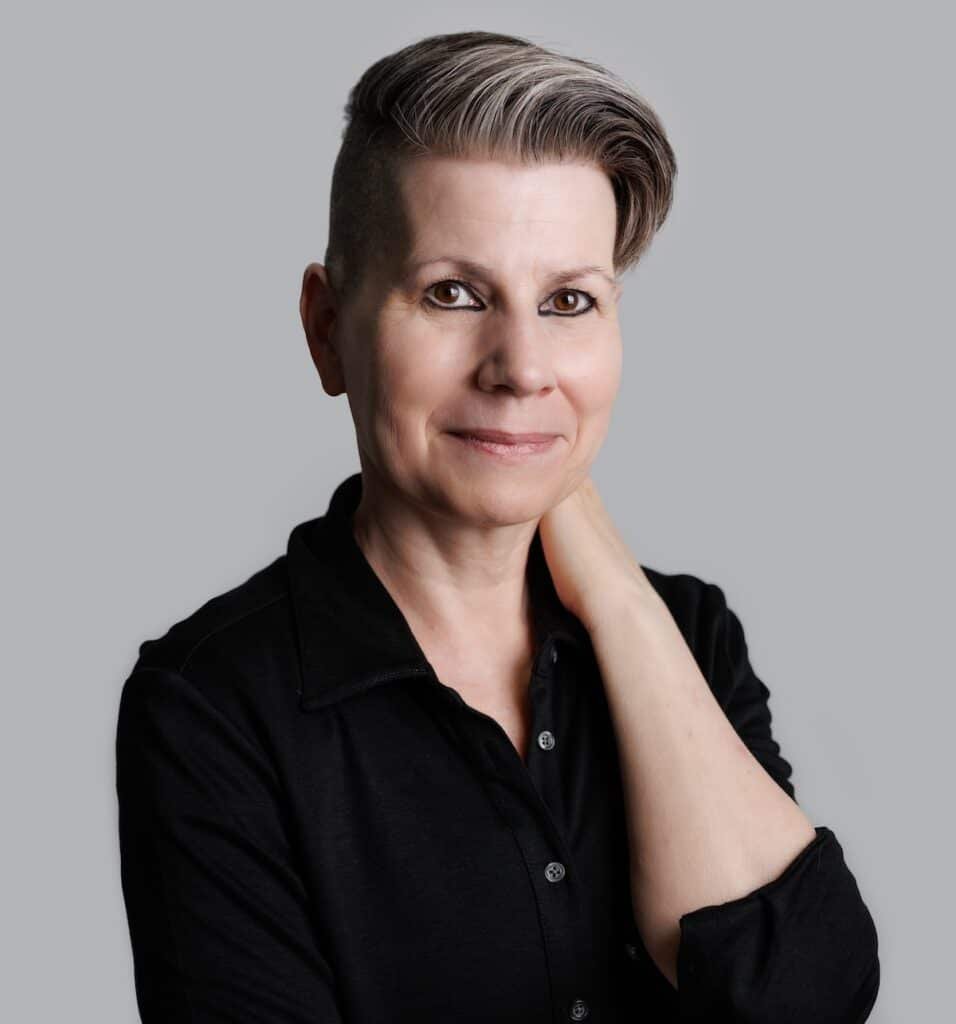
Meet Natalie
Hi, I’m Natalie, a trauma counsellor in Calgary with over 15 years of experience supporting adults healing from trauma, complex trauma, and childhood abuse. My approach — the Integrative Trauma Recovery Model™ — integrates best practices for trauma recovery, including EMDR, IFS-informed parts work, and somatic approaches, always adapted to your nervous system and your pace.
I believe healing should be safe, inclusive, and grounded in dignity. That means I actively work to honour the social and systemic contexts that shape people’s lives, including experiences of racism, discrimination, and intergenerational harm. I also offer flexible pricing to make trauma counselling more accessible.
Trauma Counselling rooted in the Integrative Trauma Recovery Model™
Trauma counselling is not one-size-fits-all — and the approach I use reflects that. The Integrative Trauma Recovery Model™ brings together evidence-based modalities including EMDR, Internal Family Systems (IFS), somatic approaches, and trauma-informed relational practice, adapting them to your nervous system, your history, and your pace. Rather than following a fixed protocol, I follow you.
The therapeutic relationship itself is not just a container for healing — for many people who have experienced relational or childhood trauma, it is the healing.
My inclusive trauma recovery approach also integrates anti-oppressive practice, recognizing that for many people, systemic harm, discrimination, and intergenerational trauma are not a backdrop to their experience — they are the experience.
Your symptoms are not signs that something is fundamentally wrong with you; they are adaptive responses that developed for a reason, and we work with them, not against them. Over time, clients often notice they sleep better, feel calmer in relationships, handle difficult emotions with more steadiness, or find that memories that once felt overwhelming have simply lost their charge. Healing here means recovering agency, rebuilding trust in yourself, and becoming more fully who you are.
If you’d like to understand more about how this model works and whether it might be the right fit for you, read: Trauma Counselling: How I Practice and What You Can Expect.
It’s your time to heal: Let’s begin
If this approach to trauma recovery resonates with you, I’d be honoured to connect. I offer a free consultation — a chance to explore your history and see whether working together makes sense. You can book through Jane App or message me at nat@brighthorizontherapies.com, whichever feels easier.
Your trauma counselling questions answered
If you’re curious to learn more about trauma recovery at your own pace, you’re welcome to explore my Trauma Recovery FAQs.