
Coping Strategies

When anxiety takes over, your body can get stuck—racing in hyperarousal (fight or flight) or shutting down in hypoarousal (freeze or collapse). These aren’t just “stress,” they’re signs your nervous system is dysregulated and needs support.
This guide offers evidence-based coping strategies to help you regulate anxiety and navigate nervous system activation. Whether you’re managing chronic stress, healing from trauma, or simply want more tools to feel grounded, you’ll find practical techniques to shift from overwhelm back to calm.
Below, you’ll find coping skills organized by what you’re experiencing, plus podcast episodes that dive deeper into the science of why your nervous system responds the way it does—and how to work with it, not against it.
Coping strategies for anxiety
Anxiety is a natural and adaptive response to stress or perceived threads. Most people experience anxiety as a feeling of unease, worry, or fear, often accompanied by physical sensations such as increased heart rate, muscle tension and restlessness. It can range from mild and manageable to severe and debilitating. While experiencing anxiety is a common aspect of life, it can take over and become excessive and persistent and interfere with daily functioning. Some individuals may benefit from various therapeutic interventions like counselling, coping strategies, and, in some cases, medication. On some occasions, anxiety can also be a symptom of trauma and complex trauma.
Here are some coping strategies for anxiety:
5,4,3,2,1 grounding
Go through this practice by noticing and naming your answers to these 5 questions:
Breathing exercises
Connecting with your breath is a simple yet powerful way to ease anxiety and regulate your nervous system. Here are three variations that you can experiment with.
Before you begin, take a moment to settle. Breathe naturally and notice your feet on the ground or the surface supporting you.
Breathing while counting
Begin the rhythm:
Start with a minute, and gradually expand the practice as it feels comfortable.
If counting feels distracting, simply focus on the natural rhythm of your breath—slow in, slow out.
Lengthening the exhale
When you’re feeling anxious, lengthening the exhale can help activate your body’s calming response.
Try this:
You can also visualize the anxiety leaving your body with each exhale.
Add calming phrases
Once you’ve settled into your breath, try adding words:
You can also visualize the anxiety leaving your body with each exhale.
Feel free to change the words so they truly resonate with you. Continue for as long as it feels helpful. The more regularly you practice, the more effective these techniques become—your nervous system learns to calm itself more quickly over time.
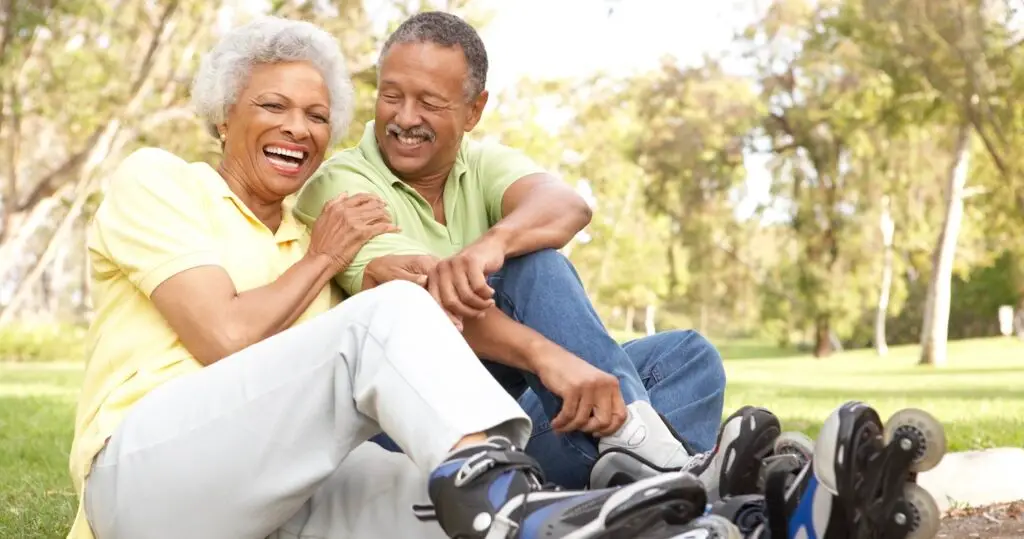
Exercise
Physical movement can be a powerful way to manage anxiety, when it’s aligned with what your body needs.
For some people, vigorous exercise like running, dancing, or kickboxing helps release built-up tension and anxiety. For others, slower-paced movement such as yoga, stretching, or mindful walking offers more relief.
The key is finding what works for you. Regular physical activity—whether it’s high-energy or calming—can support your nervous system, improve mood, and promote a greater sense of well-being.
Coping strategies for hypoarousal
Hypoarousal is characterized by a state of low physiological and psychological arousal, signalling that we are operating outside our typical window of tolerance. Frequently linked to depression or trauma, hypoarousal can manifest diversely, with symptoms varying among individuals. Common indicators include physical lethargy, emotional numbness, depression, low energy, shutdown, or a sense of disconnection.
Coping strategies for hypoarousal aim to invigorate the nervous system and foster connection. To address hypoarousal, consider implementing the following coping strategies:
Upbeat music and dancing
Turn on lively music and immerse yourself in its uplifting rhythm. Integrate physical activity by incorporating some dance moves, providing an enjoyable and energizing experience.
Cold water
Explore the revitalizing effects of cold water by either drinking it or splashing your face. Another option is to hold an ice cube in your hand, offering a refreshing sensory experience that may help get out of hypoarousal.
Physical activity
Engage in activities that stimulate your body, such as brisk walking or jumping jacks, to increase arousal levels. If these activities seem too energy-intensive, simply standing up and walking around your home can be a helpful alternative.
Want to learn more?
Want to understand why these skills work?
Want practical tools you can use today?
How do you create safety when it’s never felt familiar?
Why does safety feel so hard to access after trauma
Coping strategies to manage hyperarousal
Hyperarousal is a heightened state of physiological and psychological activation, often associated with the body’s “fight or flight” response to stress or perceived threats. In this state, individuals may experience an increased heart rate, rapid breathing, heightened alertness, anxiety, and an overall sense of tension. Symptoms of hyperarousal can be associated with experiences of trauma. Hyperarousal is a sign that we are outside of our window of tolerance. However, we can learn to manage overwhelming emotions healthily over time.
Guided imagery or visualizations
Imagery can be deeply healing—especially for those recovering from relational trauma or abuse.
Visualization helps create a safe inner space, offering comfort, grounding, and a sense of control. This kind of inner refuge can be a powerful tool in your healing process.
Explore different meditations and guided imagery on platforms like YouTube or meditation apps to find what resonates with you. Making meditation a regular part of your routine can help reduce stress and support emotional regulation.
Here’s a simple guided imagery exercise to get you started:
Music
Listening to soothing music or calming sounds can help reduce hyperarousal and support nervous system regulation. For some, singing can also be a powerful and grounding outlet—offering both emotional release and connection to the breath.
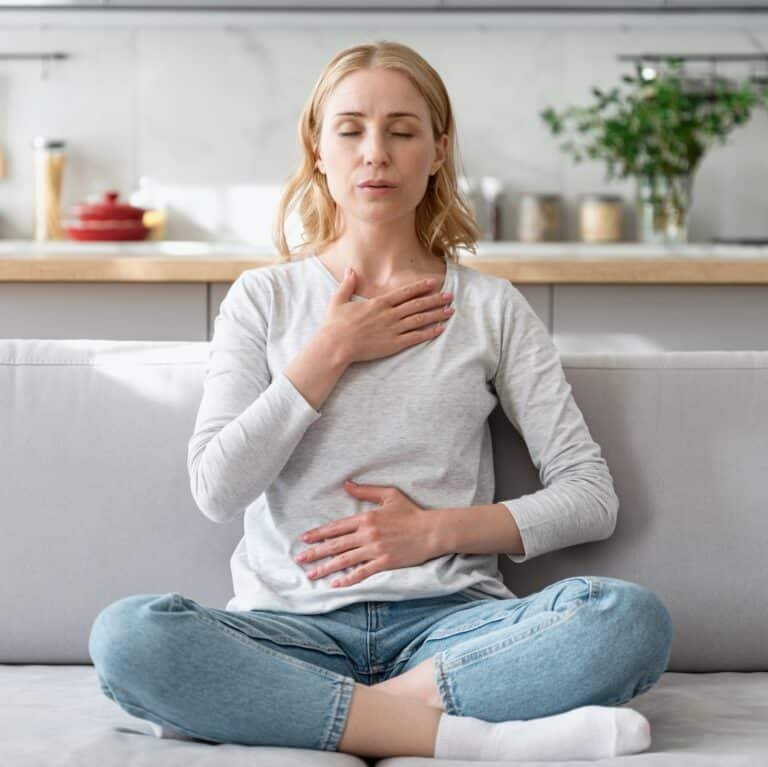
Gentle movement
Gentle yoga or stretching can be especially helpful for those experiencing hyperarousal.
Certain poses—like Child’s Pose—can support nervous system regulation and help bring a sense of calm. Incorporating these practices into your routine may offer grounding, relaxation, and a deeper connection to your body.
Let’s grow together
Get your free Grounding Practice Worksheet + monthly insights on trauma, healing and growth. Unsubscribe anytime.